
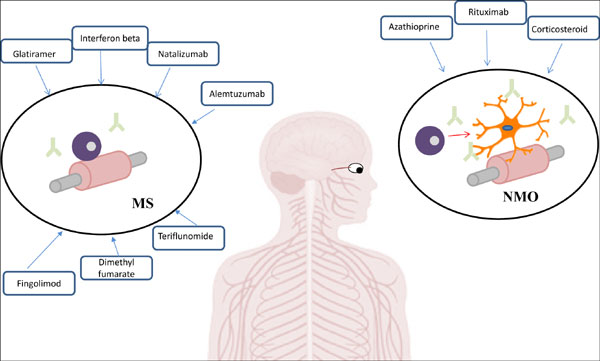
Multiple sclerosis (MS) is a potentially disabling disease of the brain and spinal cord (central nervous system). In MS, the immune system attacks the protective sheath (myelin) that covers nerve fibers and causes communication problems between your brain and the rest of your body. Eventually, the disease can cause permanent damage or deterioration of the nerves.
Signs and symptoms of MS vary widely and depend on the amount of nerve damage and which nerves are affected. Some people with severe MS may lose the ability to walk independently or at all, while others may experience long periods of remission without any new symptoms. There's no cure for multiple sclerosis. However, treatments can help speed recovery from attacks, modify the course of the disease and manage symptoms.
Multiple sclerosis signs and symptoms may differ greatly from person to person and over the course of the disease depending on the location of affected nerve fibers. Symptoms often affect movement, such as:
MS, NMO (demyelinating disorders are investigated with MRI, lumbar puncture and specialised tests. With a clear diagnosis appropriate treatments are instituted. Patients must adhere to drug regimes and remain under regular review.
Neuromyelitis optica (NMO), also known as Devic's disease, is a rare condition where the immune system damages the spinal cord and the nerves of the eyes (optic nerves). NMO can affect anyone at any age, but it's more common in women than men.