
Ataxia describes a lack of muscle control or coordination of voluntary movements, such as walking or picking up objects. Ataxia can affect various movements and create difficulties with walking, using one’s hands, speech and eye movements.
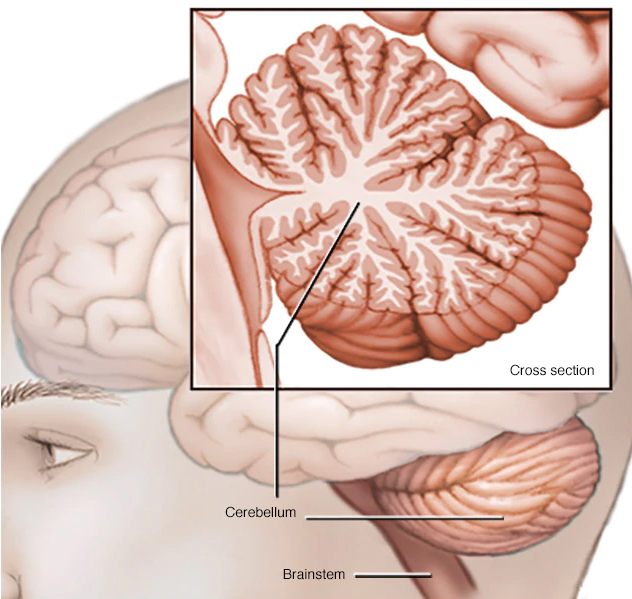
Persistent ataxia usually results from damage to the part of your brain that controls muscle coordination (cerebellum). Many conditions can cause ataxia, including alcohol misuse, certain medication, stroke, tumor, brain degeneration and multiple sclerosis. Some ataxias are due to inherited genes.
Treatment for ataxia depends on the cause. Adaptive devices, such as walkers or canes, might help you maintain your independence. Physical therapy, occupational therapy, speech therapy and regular aerobic exercise also might help.
Ataxia can develop over time or come on suddenly. A sign of a number of neurological disorders, ataxia can cause:
Poor coordination
Difficulty with fine motor tasks, such as eating, writing or buttoning a shirt
Change in speech.
Involuntary back-and-forth eye movements (nystagmus)
Difficulty swallowing
Ataxias require careful clinical analysis, investigations including MRI, specialised blood tests. After an accurate diagnosis treatments and rehabilitation strategies are instituted over time under irregular follow up.